
Table of Contents
Introduction
Protective styles can be a powerful tool for length retention and reduced manipulation, especially for type 4 hair. Learning how to rebuild moisture balance before and after protective styles is essential for maintaining healthy hair long-term.
Braids, twists, wigs, and crochet styles give our strands a break — but once those styles come down, many people notice dryness, breakage, or lack of elasticity. That’s because while protective styles protect from daily styling, they can also disrupt your hair’s moisture balance if proper care isn’t taken.
This process isn’t about rushing into heavy products or aggressive treatments — it’s about restoring hydration, strengthening the strands, and gently bringing your hair back to life.
1. Cleanse Gently to Reset the Hair and Scalp
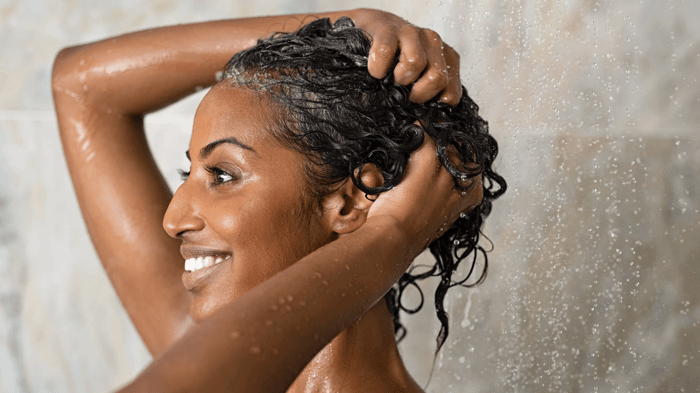
The first step to rebuild moisture balance is starting with a clean foundation. After weeks or months in protective styles, product buildup, sweat, and environmental debris can sit on the scalp and hair strands. Without proper cleansing, moisture can’t penetrate effectively.
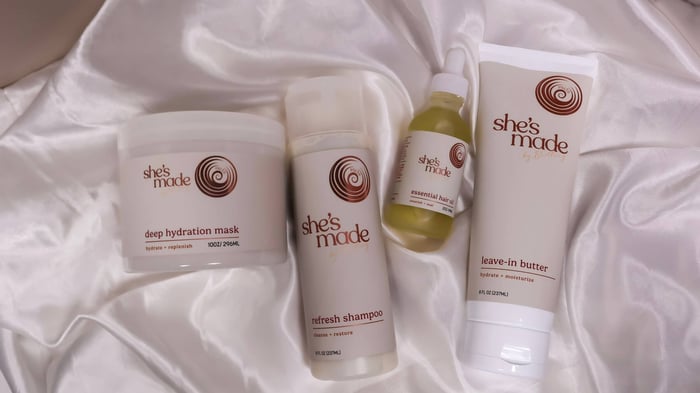
Use a gentle, hydrating cleanser that removes buildup without stripping your natural oils. Our Restoring Refresh Shampoo is perfect for this step. Focus on massaging the scalp to stimulate circulation and encourage healthy growth, especially for type 4 hair which thrives on a clean, nourished scalp.
Avoid harsh shampoos during this step. The goal is to reset — not shock — your hair.
2. Deep Condition to Restore Hydration and Elasticity
Once the hair is clean, deep conditioning becomes non-negotiable. Protective styles can leave hair dehydrated, even if it felt “fine” when you took the style down. Deep conditioning helps rebuild moisture balance by replenishing lost hydration and restoring elasticity.
Choose a deep conditioner formulated to penetrate the hair shaft and support strength (we highly recommend our Replenishing Deep Hydration Mask) and let it sit for at least 20–30 minutes, ideally with gentle heat, to allow the ingredients to fully absorb.
This step is especially important for type 4 hair, which tends to lose moisture faster than other textures. Consistent deep conditioning helps prevent breakage and promotes long-term hair health.
3. Rehydrate and Seal Moisture the Right Way
After conditioning, it’s time to lock in moisture. Many people mistake oils for moisture, but oils are sealants — not hydrators. To rebuild moisture balance, you must first apply a water-based product before sealing.
Start with a hydrating leave-in to infuse moisture back into the strands. Then, seal that moisture with a lightweight oil to prevent evaporation. The combo of our Hydrating Leave-In Butter and Nourishing Essential Hair Oil was made for this process. This layering method supports softness, shine, and manageability.
This step is key to keeping hair moisturized beyond wash day and helps maintain balance as your hair adjusts post-protective styles.
4. Give Your Hair Time Before Restyling
After removing protective styles, it can be tempting to jump right back into another style. However, giving your hair time to breathe is critical to rebuild moisture balance properly. Allow your curls to exist freely for at least a week or two.
Low-manipulation styles like buns, twists, or wash-and-go routines help your hair recover while maintaining hydration. For type 4 hair, patience during this phase can make all the difference in retaining length and strength.
Closing Thoughts
Protective styles are only truly protective when paired with proper aftercare. Learning how to rebuild moisture balance ensures your hair stays healthy, resilient, and ready for its next style.
By cleansing gently, conditioning deeply, hydrating properly, and allowing your hair time to recover, you’re setting your type 4 hair up for long-term success. Moisture is the foundation of healthy hair — protect it intentionally.